Reviewing the 100 Days of School SVG for Embroidery
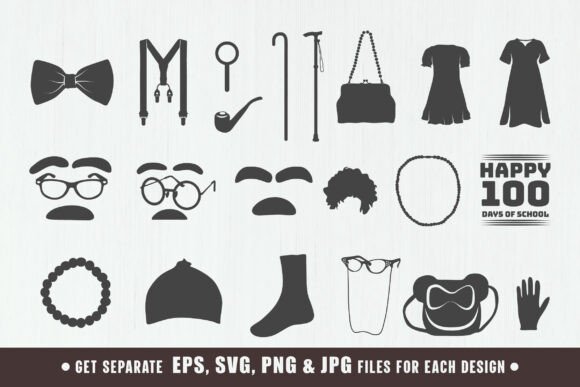
As a designer who spends more time staring at stitch simulations than actual fabric, I have learned to be skeptical of digital assets that promise simplicity but deliver complexity. When I first pulled up the 100 Days of School Costume for Kids SVG, my initial reaction was one of cautious optimism. The theme is inherently playful, targeting a specific seasonal rush in the craft world, but the execution determines whether it becomes a bestseller or a bin filler. This review breaks down how this design performs when moved from the screen to the hoop, offering practical insights for embroidery designers, Etsy sellers, and handmade shop owners.
First Impressions and Visual Personality
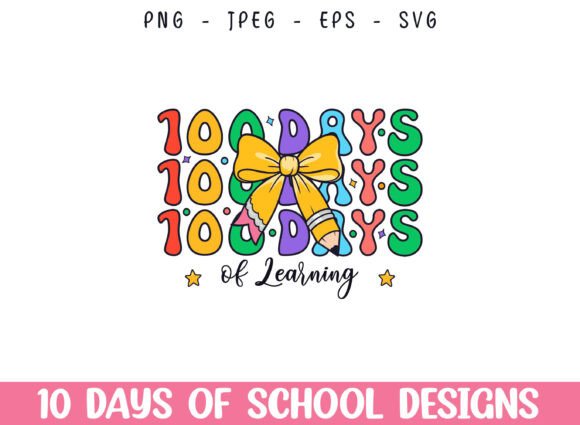
The mood of this design is unmistakably celebratory. It captures the excitement of a major kindergarten milestone without relying on overly childish clichés. Visually, the layout feels balanced, with a clear hierarchy that guides the eye. For an embroidery project, this is crucial. If the elements are too scattered, the stitching can look disjointed; if they are too cramped, the threads merge into a muddy mess. This particular graphic strikes a nice middle ground, offering enough negative space to let the stitches breathe while maintaining a cohesive shape.
From a technical standpoint, the lines appear clean. In the world of Graphics and vector art, clean lines usually translate well to machine paths. However, as any experienced embroiderer knows, a smooth SVG line does not guarantee a smooth satin stitch. The curvature of the numbers and any accompanying decorative elements suggest that this design would work beautifully as a combination of fill stitches for larger areas and satin stitches for borders or text. The visual personality is bold enough to stand out on a backpack yet refined enough for a boutique-style sweatshirt.
Real-World Application: The Sweatshirt Test
To truly evaluate a design, you must imagine it on a product. I visualized this 100 Days of School Costume for Kids SVG on a heather grey youth-sized sweatshirt. This is a staple item for parents preparing for the big day. The design’s scale seems appropriate for the chest area, avoiding the awkwardness of a logo that is either too tiny to appreciate or so large it distorts the garment’s drape.
In this scenario, the contrast becomes key. Using bright, primary thread colors against the grey fabric would make the design pop, appealing to the energetic vibe of the occasion. Alternatively, a monochromatic approach using varying shades of blue or pink could create a sophisticated, modern look for parents who prefer subtle styling. The versatility here is a strong selling point for custom apparel businesses. It allows the maker to offer multiple colorways without redesigning the core asset, saving time while expanding inventory.
Beyond Apparel: Totes and Patches
While apparel is the obvious choice, this design shines equally well on accessories. Imagine it embroidered on a canvas tote bag design. The sturdy texture of canvas supports higher stitch density, allowing for richer, more textured fills. This makes the design feel substantial and high-quality, increasing the perceived value of the handmade product.
Another viable option is creating an embroidered patch. Patches are trending in the craft business sector because they allow customers to add personality to existing items. If the design includes distinct outlines, it can be finished with a merrowed edge or a simple zigzag border. This transforms the digital file into a versatile accessory that can be ironed onto jackets, hats, or lunchboxes. For Etsy sellers, offering both the direct embroidery service and the patch option can double the revenue potential from a single design asset.
Technical Considerations and Stitching Clarity
When working with any machine embroidery design, understanding the underlying structure is vital. Although the product description lists formats like EPS, SVG, DXF, and JPG, it is important to note that these are primarily cut files or print graphics. For embroidery, you will need to digitize these vectors into a proper embroidery file format compatible with your machine, such as PES or DST. This step gives you control over stitch density and underlay, which are critical for preventing puckering.
If you are using pre-digitized versions derived from these graphics, pay close attention to the small details. Tiny lettering or intricate corners can easily get lost if the stitch count is too low or if the needle jumps excessively. I recommend testing the design on scrap fabric first. Check how the satin stitch handles curves and whether the fill stitch creates any gaps. Adjusting the pull compensation during digitization can ensure that the final stitched result matches the crispness of the original SVG.
Fabric and Stabilizer Choices
The success of this design also depends heavily on the substrate. For stretchy fabrics like jersey t-shirts, a cut-away stabilizer is non-negotiable to maintain shape integrity after washing. On woven fabrics like cotton aprons or pillow covers, a tear-away stabilizer might suffice, but a light fusible backing can help keep the design flat. Avoid using this design on very thin or slippery fabrics unless you have advanced hooping skills, as the density required for clear visibility might cause gathering.
Dark fabrics present another challenge. If the design relies on fine details, ensure your thread colors have sufficient contrast. A dark navy shirt with black stitching will render the design invisible. Always test your thread colors against the fabric background before committing to the final product. This simple step prevents wasted materials and ensures customer satisfaction.
Commercial Viability and Brand Consistency
For small shop products and commercial embroidery, consistency is king. This design offers a professional look that can enhance brand recognition. If your shop specializes in school-themed items, having a cohesive set of designs that share similar line weights and styles helps build a recognizable aesthetic. Buyers trust shops that look curated and thoughtful.
Moreover, the "100 Days" theme has high giftability. It is not just a purchase; it is a memory keeper. Parents are willing to pay a premium for items that look polished and special. By ensuring high stitching clarity and using quality threads, you elevate the finished product from a simple craft to a cherished keepsake. This emotional connection drives repeat business and positive reviews, which are essential for growth in the competitive handmade market.
Final Verdict for Designers
The 100 Days of School Costume for Kids SVG is a solid addition to your library of design assets. It is versatile, seasonally relevant, and visually engaging. However, its success relies on your technical execution. Take the time to digitize or adjust the settings for your specific machine. Test on various fabrics, consider the end-use context, and prioritize stitch quality over speed.
Whether you are creating a personalized gift for a neighbor or stocking up for a busy spring season in your online store, this design holds up under scrutiny. Just remember to verify licensing terms if you plan to sell the digital files themselves versus the physical embroidered items. With careful attention to detail, this graphic can become a standout piece in your portfolio, demonstrating both creativity and technical proficiency in the world of Crafts and embroidery.