Reviewing 100 Days of Learning School Life Kids
As an embroidery designer who spends more time staring at digitized paths than I do sleeping, I have learned that not every cute graphic translates well to thread. We live in an era where digital assets are abundant, but finding a machine embroidery design that balances aesthetic charm with technical stitchability is rare. Recently, I pulled up the 100 Days of Learning School Life Kids file to evaluate its potential for my upcoming spring collection. This isn’t just about whether it looks good on a screen; it is about how it behaves under the needle, how it drapes on fabric, and whether it will hold up to the rigorous demands of a craft business.
First Impressions: Mood and Layout
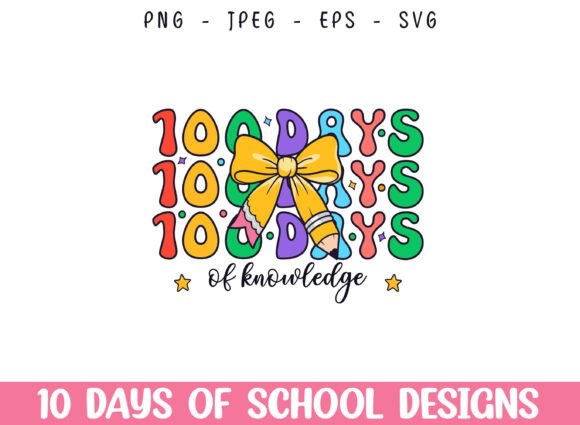
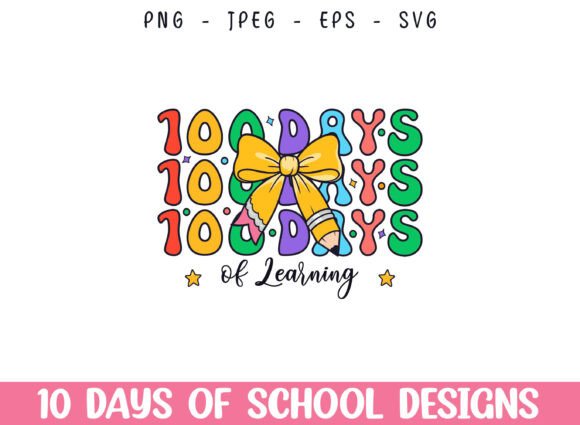
The first thing that strikes you about 100 Days of Learning School Life Kids is its playful yet structured energy. It captures that specific "back to school" excitement without feeling overly chaotic. For those of us creating design assets for Etsy sellers or boutique owners, mood is everything. This design leans into a nostalgic, cheerful vibe that resonates with parents and teachers alike. The layout appears balanced, avoiding the common pitfall of overcrowded elements that cause registration issues during stitching.
From a visual personality standpoint, it feels approachable. It does not try to be too modern or too vintage; it sits comfortably in a contemporary handmade space. When I imagine this as a finished product, I see it working exceptionally well for items that celebrate milestones. The theme is specific enough to be meaningful but broad enough to apply to various educational contexts, from pre-school welcome parties to the major 100th-day celebration in kindergarten classrooms.
Real-World Application: The Sweatshirt Test
To truly test a design, you must imagine it on a real garment. I envisioned this piece embroidered on a heather grey youth sweatshirt. This is a staple item for any small shop product line during the late winter months. The 100 Days of Learning School Life Kids motif would sit prominently on the chest or slightly off-center for a modern look. Because the design likely incorporates both text and graphical elements, the interplay between satin stitch borders and fill stitch areas becomes critical.
If the digitizing is sound, the text should remain legible even from a distance. I often worry about tiny lettering in school-themed designs, but this layout seems to prioritize clarity. For a personalized gift, this is non-negotiable. Parents want to read the message clearly in photos. If I were producing this for a client, I would pair it with bright, primary thread colors to pop against the grey, or perhaps a monochromatic scheme for a more subtle, high-end boutique feel. The versatility allows it to function as both a fun holiday embroidery piece for school events and a standard custom apparel item.
Versatility Across Product Lines
Beyond sweatshirts, this graphic has legs. Consider a canvas tote bag design. Teachers love sturdy bags for carrying books and supplies. Embroidering this onto a natural cotton tote adds texture and perceived value that a printed vinyl design simply cannot match. The tactile nature of the thread enhances the handmade product appeal. It also works beautifully for baby embroidery projects, such as bibs or onesies, provided the scale is adjusted correctly. A smaller version could serve as a charming accent on a pocket or collar.
For those selling digital embroidery files, offering this as part of a bundle with other school-life themes could increase average order value. It fits seamlessly into a broader category of Crafts and Graphics that cater to the education sector. Whether used for a embroidered patch to iron onto a backpack or directly stitched onto a pillow cover for a classroom reading nook, the design adapts well to different substrates.
Technical Considerations and Stitch Density
Here is where the reviewer in me gets critical. While the visual appeal is strong, we must discuss stitch density. School-themed designs often feature bold shapes, which can lead to heavy stitching if not properly managed. If this design uses dense fill stitches for larger elements, it may pull on lightweight fabrics. I strongly advise testing this on scrap fabric before committing to a final embroidery project. Check for puckering, especially if you are using a thin cotton or a stretchy knit.
Using the correct stabilizer is paramount. For a sweatshirt, a cut-away stabilizer is usually best to support the weight of the stitches over time. For a woven tote bag, a tear-away might suffice, but only if the fabric is stable. Pay close attention to the corners of any text or geometric shapes in the 100 Days of Learning School Life Kids design. Sharp corners in digitizing can sometimes result in loose threads or uneven coverage if the machine speed and tension are not calibrated correctly.
Another factor is color contrast. The description notes that it is possible and easy to change color for dark or white t-shirts. This is a crucial feature. When switching from a light background to a dark one, ensure your thread colors provide enough contrast. A dark blue thread on a black shirt will vanish. Always run a black-and-white mockup test to verify that the design’s silhouette remains distinct regardless of the color palette chosen.
Commercial Viability and Brand Consistency
For the commercial embroidery professional, consistency is key. Does this design align with your brand? If your shop focuses on minimalist, modern aesthetics, this playful school theme might need to be curated carefully. However, if your brand embraces warmth, community, and family milestones, this design is a perfect fit. It builds customer trust because it looks professional and intentional, not like a clip-art afterthought.
When listing this as a small shop product or on Etsy, highlight the quality of the stitch work in your photos. Close-up shots that show the texture of the satin stitch and the smoothness of the fills will engage buyers more than flat mockups. Remember, customers are buying the tangible quality of the finished product. They want to know that the embroidery will survive the wash cycle. Reassure them by mentioning your testing process and the durability of the threads used.
Practical Designer Notes
- Check Licensing: Before selling items made with this embroidery file, confirm the license terms. Some creators allow unlimited physical sales, while others have restrictions. Never assume.
- Hoop Size Matters: Verify the required hoop size before starting. Ensure your machine can accommodate the dimensions without re-hooping, which can shift alignment.
- Fabric Texture: Avoid using this on highly textured fabrics like terry cloth unless you use a water-soluble topping. The details may get lost in the pile.
- Thread Quality: Use high-quality polyester or rayon threads to prevent breakage and ensure vibrant thread colors that appeal to young audiences.
- Mockups: Create printable mockup images showing the design on various items like mugs (if using SVG for print) and apparel to showcase versatility to potential buyers.
In conclusion, 100 Days of Learning School Life Kids is a promising asset for designers looking to expand their educational-themed offerings. It requires thoughtful execution regarding stabilizer choice and thread selection, but its visual charm and adaptability make it a strong contender for spring and back-to-school collections. Treat it with the technical respect it deserves, and it will become a reliable staple in your craft business inventory.