Reviewing Second Grade Teacher Life Kindergarten
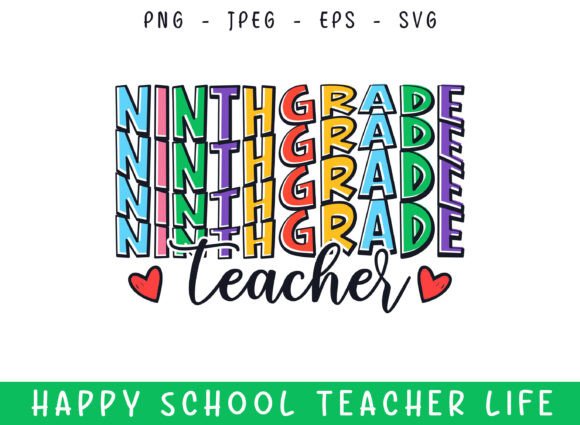
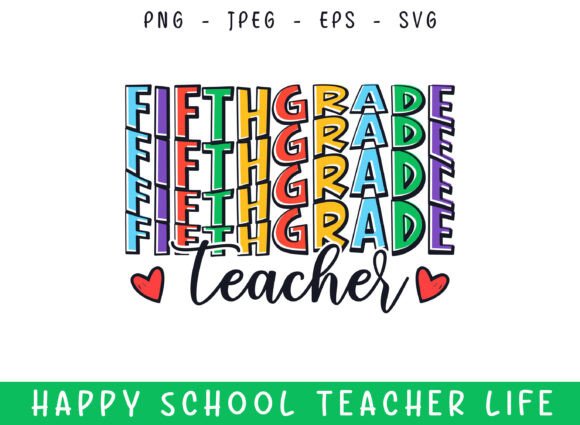
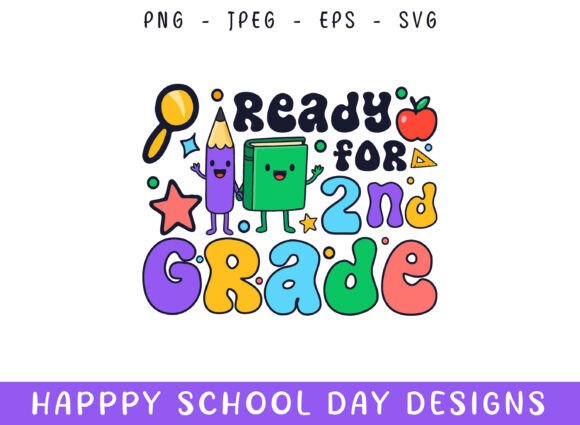
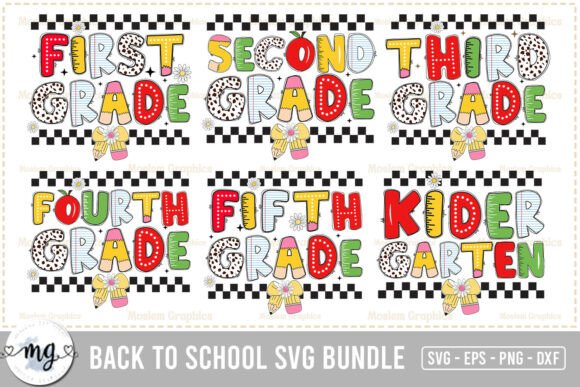
As a designer who spends more time staring at stitch maps than actual fabric, I have learned that not every cute graphic translates well to thread. We often see designs labeled as Crafts or Graphics that look pristine on a screen but turn into a tangled mess under the needle. Recently, I took a close look at the Second Grade Teacher Life Kindergarten design to see if it holds up for real-world application. This is not just about whether it looks good; it is about whether it works for the busy educator or the small business owner trying to sell high-quality custom apparel.
First Impressions and Visual Personality
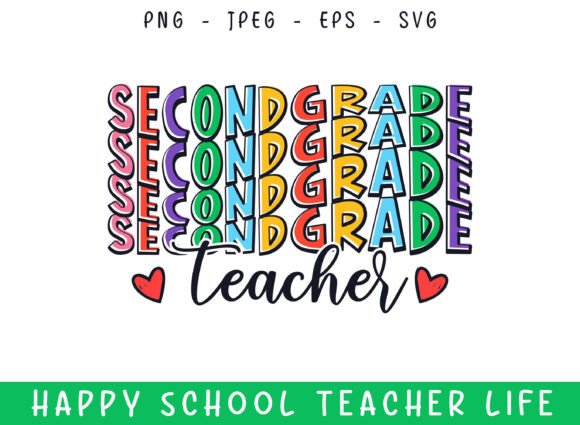
The first thing that strikes you about Second Grade Teacher Life Kindergarten is its approachable, friendly vibe. It captures that specific energy of early education—warm, welcoming, and slightly chaotic in the best way possible. The layout feels balanced, avoiding the cluttered look that plagues many teacher-themed designs. For an embroidery project, this clarity is crucial. When we talk about machine embroidery design quality, we are really talking about readability. If the elements are too close together, the threads merge, and the message is lost.
This design seems to understand the medium. It does not rely on microscopic details that will vanish after the first wash. Instead, it uses bold shapes and clear typography that suggest it was built with stitching in mind, even if the source file is marketed primarily as an SVG for other crafts. The mood is professional yet playful, making it suitable for everything from a serious staff lounge sweatshirt to a fun tote bag for school supplies.
Real-World Application: The Tote Bag Test
To truly evaluate a design, you have to imagine it on a product. I visualized Second Grade Teacher Life Kindergarten stitched onto a heavy canvas tote bag. This is a popular item for teachers who carry grading papers, laptops, and snacks between classrooms. On a textured fabric like canvas, the design needs strong lines to stand out. The visual weight of this graphic appears sufficient to handle the texture of a tote without getting lost in the weave.
Consider the color contrast. The description notes that it allows for easy color changes for dark or white t-shirts. This versatility is a huge plus for a craft business. Imagine stitching this in white thread on a navy blue tote, or perhaps in school colors like maroon and gold. The ability to adapt the thread colors means you can customize the finished product for specific schools or districts, adding value for your customers. However, when switching from light to dark fabrics, remember that your backing and stabilizer choices become even more critical to prevent show-through.
Apparel and Fabric Considerations
Moving beyond totes, let’s talk about custom apparel. A sweatshirt embroidery project is a staple for teacher gifts. The fleece material of a sweatshirt is thick and plush, which can swallow up fine details. Here, the robust nature of the Second Grade Teacher Life Kindergarten design works in your favor. It does not appear to rely on delicate running stitch outlines that might sink into the pile. Instead, it likely benefits from a combination of satin stitch borders and fill stitch areas to create dimension.
However, caution is needed with thinner fabrics. If you plan to put this on a standard cotton t-shirt, you must be mindful of stitch density. A design that is too dense will pucker the fabric, creating an unsightly ripple effect around the graphic. Always use a cut-away stabilizer for knits and stretchy fabrics to maintain the integrity of the embroidery file once it is stitched out. For caps or curved surfaces, the design’s width must be checked against your hoop size. If the design is too wide, it may distort when hooped on a curved cap frame.
Navigating Technical Constraints
One of the most important aspects of reviewing a digital asset is understanding its limitations. The product description mentions it is made with 100% vector graphics. While this is excellent for scalability in printing or cutting, it does not automatically guarantee a perfect digital embroidery file. Vector paths do not equal stitch paths. If you are converting this SVG yourself, you need to pay attention to corner sharpness. Sharp corners in vectors often require careful digitizing to prevent thread breaks or bulky buildup in the final embroidery project.
For those buying this as a pre-digitized file, always check the stitch count and recommended hoop size before purchasing. If these details are not provided, reach out to the seller. For an Etsy seller, providing this transparency builds trust. Customers want to know if the design fits their 4x4 hoop or if they need a 5x7. Misunderstanding hoop requirements leads to returns and negative reviews.
Commercial Viability and Brand Consistency
For small shop product creators, consistency is key. Does Second Grade Teacher Life Kindergarten fit your brand aesthetic? If your shop focuses on minimalist, modern designs, this playful theme might clash. But if your brand celebrates community, education, and warmth, this design is a strong asset. It enhances brand consistency by offering a recognizable, high-quality look that customers can associate with your store.
When using this for commercial embroidery, licensing is non-negotiable. Ensure you have the right to sell finished items. Many designers allow personal use but require an extended license for commercial sales. Never assume. Check the terms explicitly. Using a design incorrectly can lead to legal issues that shut down your craft business before it starts. Once licensed, this design can be a cornerstone for back-to-school promotions, teacher appreciation week bundles, or holiday gift sets.
Practical Designer Notes for Best Results
Before you commit to stitching this on a customer’s expensive garment, follow these practical steps:
- Test on Scrap Fabric: Always run a test stitch-out on the same type of fabric you intend to use. This reveals tension issues and color clashes.
- Check Thread Contrast: Use a black and white mockup to ensure the design is readable without color. If it relies solely on color to distinguish elements, it may fail in low-light settings or for visually impaired users.
- Inspect Small Details: Zoom in on the digitized file. Look for overlapping stitches or unnecessary jumps that could slow down your machine or cause thread breaks.
- Verify Stabilizer Needs: Match your stabilizer to the fabric. Heavy denim needs different support than lightweight jersey.
- Confirm Licensing: Double-check if the license covers personalized gift sales or if it is strictly for personal home use.
Final Verdict on Usability
The Second Grade Teacher Life Kindergarten design offers a solid foundation for various handmade product lines. Its strength lies in its thematic relevance and visual clarity. It avoids the pitfalls of overly complex graphics that confuse the eye and the needle. For an embroidered patch, it would likely hold up well due to its contained shape. For baby embroidery items, ensure the thread choice is soft and skin-safe, as comfort is paramount for young children.
Ultimately, this design serves as a versatile tool in your creative arsenal. Whether you are creating a printable mockup for your online store or stitching a one-of-a-kind holiday embroidery gift, the key is preparation. Respect the materials, understand the machine, and honor the design’s intent. When done correctly, Second Grade Teacher Life Kindergarten can elevate a simple piece of fabric into a cherished keepsake, proving that thoughtful design and skilled execution go hand in hand.