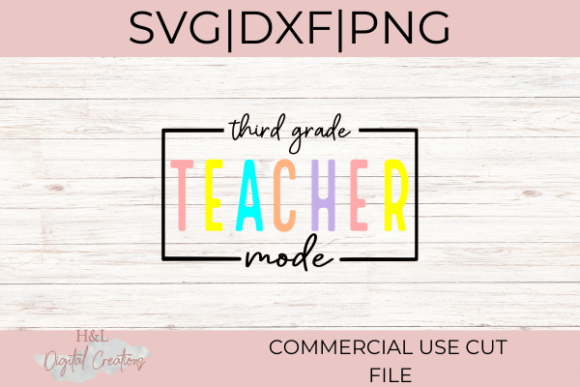
Reviewing Third Grade Teacher Mode Svg for Embroidery
As a designer who spends half my life digitizing and the other half stitching, I have learned that not every graphic translates well to thread. When I first pulled up the Third Grade Teacher Mode Svg, my initial reaction was one of cautious optimism. The concept is timely, tapping into the "teacher mode" meme culture that resonates deeply with educators, but the execution in embroidery requires a keen eye for detail. This isn't just about having a cute file; it is about understanding how those lines will behave under the needle when applied to real-world substrates.
In the world of Crafts and digital Graphics, there is often a disconnect between what looks good on a screen and what holds up in a finished product. My goal here is to evaluate this design not as a static image, but as a functional machine embroidery design ready for client projects, boutique merchandise, or personal gifts. Let’s dive into how this file performs when it leaves the digital realm and enters the hoop.
First Impressions: Mood and Visual Personality
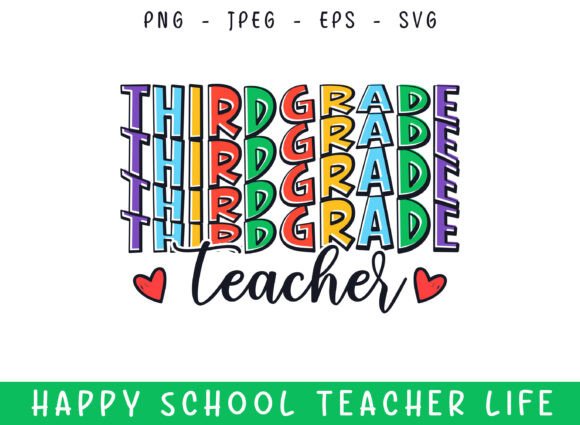
The immediate vibe of the Third Grade Teacher Mode Svg is playful yet authoritative. It captures that specific energy of an educator who is both nurturing and firmly in charge. Visually, the layout tends to rely on bold typography mixed with illustrative elements, which is a classic combination for apparel. However, from a reviewer’s standpoint, I look closely at the weight of the letters and the complexity of any accompanying icons. If the design relies too heavily on thin lines, it risks getting lost in the fabric texture. If it is too dense, it becomes stiff and uncomfortable to wear.
This design feels like it belongs on items that are meant to be seen and discussed. It is not a subtle background pattern; it is a statement piece. For an Etsy seller or a small shop product creator, this kind of clear, communicative imagery is gold. It instantly tells the customer who the item is for, reducing the cognitive load required to make a purchase decision. The visual personality is approachable, making it ideal for personalized gift markets where the recipient’s profession is a core part of their identity.
Real-World Application: From Screen to Stitch
To truly test the viability of this embroidery file, I imagined a specific scenario: creating a custom tote bag for a third-grade teacher’s end-of-year gift. Tote bags are popular, practical, and provide a large, flat canvas for embroidery. When visualizing the Third Grade Teacher Mode Svg on a heavy cotton canvas, the boldness of the design works in its favor. The stitches need to stand out against the weave of the bag, and a design with strong presence does exactly that.
Beyond tote bags, consider sweatshirt embroidery. A crewneck sweatshirt is a staple for teachers who spend their days in air-conditioned classrooms. Here, the design’s scale becomes critical. If the text is too small, it will look cluttered on the fuzzy surface of fleece or French terry. If it is appropriately sized, the contrast between the smooth satin or fill stitches and the textured fabric creates a high-quality, professional look. This is where the difference between a amateur hobbyist and a serious craft business owner shows. The latter knows to adjust the size and density to suit the garment.
For those interested in custom apparel like t-shirts, the approach changes slightly. Knit fabrics stretch, which can distort embroidery if the stabilizer isn’t chosen carefully. The Third Grade Teacher Mode Svg would likely require a cut-away stabilizer to maintain its shape over time, especially if the design covers a significant area. This is a crucial consideration for anyone selling these as commercial embroidery products, as durability directly impacts customer satisfaction and return rates.
Navigating Technical Challenges and Fabric Choices
While the design is versatile, it is not without its pitfalls. One must be careful with hoop size limitations. If you are working with a smaller 4x4 inch hoop, you may need to split the design or choose a simplified version if available. Attempting to cram a complex multi-line design into a small space can result in poor stitch registration and a messy final look. Always check the dimensions of the digital embroidery file against your machine’s capabilities before purchasing or committing to a project.
Fabric texture plays a massive role in how this design reads. On smooth quilting cotton or broadcloth, the details will shine. However, on textured fabrics like linen or waffle knit, fine details can get swallowed up. I recommend running a test stitch-out on scrap fabric that mimics your final material. Pay attention to stitch density. If the design uses heavy fill stitch areas, it might pucker lightweight fabrics. In such cases, using a water-soluble topping can help keep the stitches sitting on top of the fabric rather than sinking into it.
Dark fabrics present another challenge. If the Third Grade Teacher Mode Svg is intended for a navy or black shirt, you must ensure high contrast in your thread colors. Light pastels or bright whites work best here. Conversely, on light garments, you have more freedom, but avoid threads that are too similar in value to the fabric, as the design will lack definition. A quick black-and-white mockup test on your computer can reveal contrast issues before you even thread the needle.
Enhancing Product Value and Brand Consistency
From a business perspective, the quality of your embroidery directly influences perceived value. A clean, well-digitized Third Grade Teacher Mode Svg elevates a simple t-shirt into a boutique item. It signals professionalism. For handmade product sellers, consistency is key. If this design fits your brand’s aesthetic—perhaps you specialize in teacher appreciation gifts—it can become a staple in your catalog. Use it across various items like embroidered patch designs for jackets, aprons for art teachers, or even pillow covers for classroom reading nooks.
Customer trust is built on reliability. When a buyer receives a holiday embroidery gift or a birthday present that looks exactly like the printable mockup they saw online, they are more likely to leave a positive review and return for future purchases. Ensuring that the applique design or standard embroidery version of this file is optimized for clarity helps maintain that trust. Avoid overly dense satin stitch borders if they are not necessary, as they can add unnecessary bulk and cost in thread usage.
Practical Notes for the Serious Maker
Before you launch into production, take a moment to review the technical specifics. Since the product description mentions it is designed for teachers and suitable for various items, it is likely versatile, but you must verify the license. Can you use this design assets for commercial sales? Most SVGs sold for crafting come with specific terms regarding physical vs. digital resale. Always confirm licensing before selling finished items.
Additionally, check if the file includes multiple formats. While SVG is great for cutting machines, embroidery machines typically require PES, DST, or EXP files. Ensure you have the correct embroidery file format for your machine. If the provider only offers SVG, you may need to use conversion software, which can sometimes alter stitch paths unpredictably. It is always safer to source a file that is already digitized for embroidery if possible, or to manually digitize the SVG yourself to control every running stitch and jump.
Finally, remember that context is everything. The Third Grade Teacher Mode Svg is a fantastic tool for connecting with a specific audience. Whether you are making a baby embroidery item for a teacher’s new grandchild or a robust tote bag design for daily classroom use, the success of the project lies in the details. Test your tension, choose your stabilizer wisely, and let the design speak clearly. By treating this graphic with the respect it deserves in the embroidery process, you create products that are not just worn or used, but cherished.