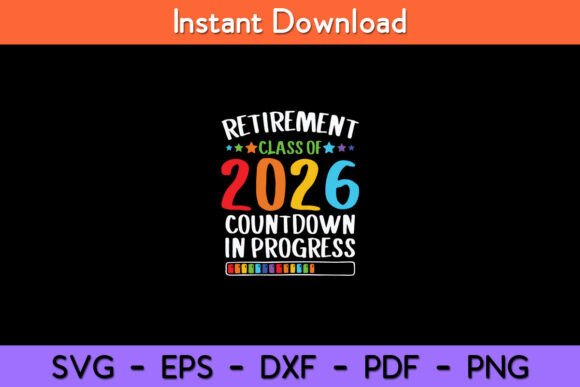
Reviewing the Retirement Class of 2026 Teacher Design
As an embroidery designer who spends more time staring at digitized paths than I do sleeping, I approach every new machine embroidery design with a mix of optimism and skepticism. We have all been there: you download a file that looks crisp on the screen, only to watch it turn into a tangled mess of thread breaks and puckering on your favorite sweatshirt. That is why I took a close look at the Retirement Class of 2026 Teacher design before committing it to any client projects. This isn’t just about pretty pixels; it is about how a graphic translates into thread, fabric, and ultimately, a tangible product that holds up in the real world.
First Impressions and Visual Personality
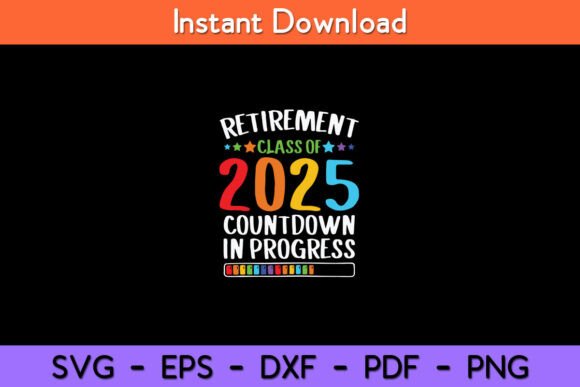
The first thing that strikes me about the Retirement Class of 2026 Teacher concept is its specific emotional weight. It is not just a generic "retired" sign; it anchors the milestone to a specific graduating class. For teachers, this date is significant. It represents the culmination of a career defined by the students they sent out into the world. Visually, these types of designs usually rely on strong typography mixed with symbolic imagery—perhaps apples, books, or graduation caps. The mood is celebratory but dignified. It needs to feel professional enough for a teacher who has spent decades in the classroom, yet warm enough for a heartfelt farewell gift.
When evaluating this as a piece of Graphics intended for conversion into stitch, I look at the balance between negative space and detail. A design that is too dense will stiffen the fabric, while one that is too sparse might look unfinished. The layout of this particular theme suggests a horizontal orientation, which is ideal for left-chest placements on polos or centered placements on tote bags. It feels like a design that belongs in the Crafts category but elevates itself through personalization potential.
Real-World Application: The Custom Tote Bag Test
To truly understand how this design performs, I imagined a specific real-life scenario. A local elementary school PTA wants to create personalized gifts for three retiring staff members. They choose heavy canvas tote bag design options. This is a perfect test case for the Retirement Class of 2026 Teacher file.
Canvas is forgiving, but it has a distinct weave. If the stitch density of the digital file is too high, the bag will pucker around the text. If it is too low, the background fabric will show through the letters, ruining the legibility. In my mental simulation, I would recommend using a medium-weight cut-away stabilizer to support the stitching. The design’s clarity is crucial here. Teachers often receive many gifts; this one needs to stand out as a high-quality handmade product, not a rushed afterthought. The contrast between the thread and the canvas color becomes the primary driver of visual appeal. A navy thread on a natural canvas, or a gold thread on a deep green bag, can transform the design from simple text into a boutique-level accessory.
Versatility Across Apparel and Home Decor
Beyond tote bags, this design has legs in several other categories. Consider sweatshirt embroidery. A fleece or cotton-blend crewneck is a staple for retired teachers who want to stay cozy during their newfound free time. However, fleece is tricky. It is thick and plush. If the embroidery file uses complex fill stitch patterns without proper underlay, the design can sink into the fabric. I would advise checking if the design includes a satin border or a running stitch underlay to keep the text raised and visible.
For those looking to create smaller items, such as a personalized gift like a mug rug or a small pillow cover, the scale matters. You must ensure the design can be resized without losing integrity. Tiny lettering, especially numbers like "2026," can become illegible if scaled down too far for a small hoop. This is where understanding your hoop size limitations is critical. If the original file is optimized for a 5x7 hoop, shrinking it to fit a 4x4 might compromise the spacing between letters. Always test on scrap fabric first.
Another interesting application is the embroidered patch. Creating a removable patch allows the retiree to move the emblem from a jacket to a bag or a hat. For this, the design needs clean edges. A satin stitch border is essential to prevent fraying and give the patch a finished, professional look. This turns the digital asset into a versatile design asset that can be sold separately or as part of a bundle.
Technical Considerations for Stitching Success
Let’s talk about the technical side, because this is where many Etsy seller and craft business owners stumble. The Retirement Class of 2026 Teacher design likely contains text. Text is the hardest element to embroider well. Curved text requires careful digitizing to ensure the letters do not distort. Straight text needs consistent tension.
- Thread Colors: Choose colors that honor the school’s mascot or colors, but ensure there is enough contrast against the garment. Avoid red thread on black fabric unless you are using a metallic or high-sheen thread that catches the light.
- Fabric Texture: On textured fabrics like waffle knit or terry cloth, use a topping to keep the stitches from sinking. This is vital for maintaining the crispness of the "2026" numerals.
- Stabilizer Choice: Never skip the stabilizer. For stretchy fabrics like t-shirts, use a tear-away with a fusible top sheet. For woven fabrics like aprons or pillow covers, a cut-away provides long-term durability.
- Test Stitches: Always run a test on the same fabric type you plan to use for the final finished product. Check for thread breaks, especially in tight corners of letters like 'A' or 'V'.
Commercial Viability and Brand Consistency
For small shop product creators, this design offers a niche opportunity. Retirement gifts are evergreen, but tying them to a specific class year makes them timely. This creates urgency. However, you must verify the licensing. Just because you downloaded a digital embroidery file does not mean you have the right to sell thousands of units. Check the terms for commercial embroidery use. Some designers allow limited sales, while others require an extended license.
From a branding perspective, using a well-digitized design builds customer trust. When a buyer receives a custom apparel item where the threads are neat, the tension is balanced, and the design is centered, they perceive value. They are more likely to leave a positive review and return for future purchases, such as holiday embroidery items or baby gifts. The Retirement Class of 2026 Teacher design, when executed well, serves as a portfolio piece that demonstrates your skill as a maker.
Final Verdict for Makers and Designers
In conclusion, the Retirement Class of 2026 Teacher design is a strong candidate for your next project, provided you respect the technical requirements of embroidery. It is not just a graphic; it is a blueprint for thread. Whether you are creating a baby embroidery item for a teacher’s grandchild, a sturdy apron for their gardening hobby, or a commemorative pillow, the success lies in the preparation.
Take the time to inspect the file. Look at the stitch count and density if provided. If not, assume a standard density and test accordingly. Use the right applique design techniques if the file supports layering. Remember, the goal is to create a personalized gift that feels special and lasts. By treating this digital file with the care it deserves, you elevate it from a simple download to a cherished keepsake. Happy stitching.